CVE-2025-55230: Windows Security Flaw Could Allow Unauthorized Access
Think of it as an unlocked door in your home—a small oversight that lets someone enter without your permission. This vulnerability allows an authorized attacker with access to a Windows device to elevate their privileges, meaning they could potentially gain control over the system and access sensitive information.
Who is at Risk?
This vulnerability affects various versions of Windows operating systems, particularly if users are on older or unpatched systems. If you use any of the following, you could be at risk:
- Windows 10 (certain versions)
- Windows 11 (certain versions)
- Windows Server (various versions)
It’s important to note that this type of flaw allows an attacker to gain higher control locally, which means that they would need physical access to your device or to already be logged in.
How to Stay Safe
Taking immediate action is vital to protect your data. Here are simple steps you can take:
-
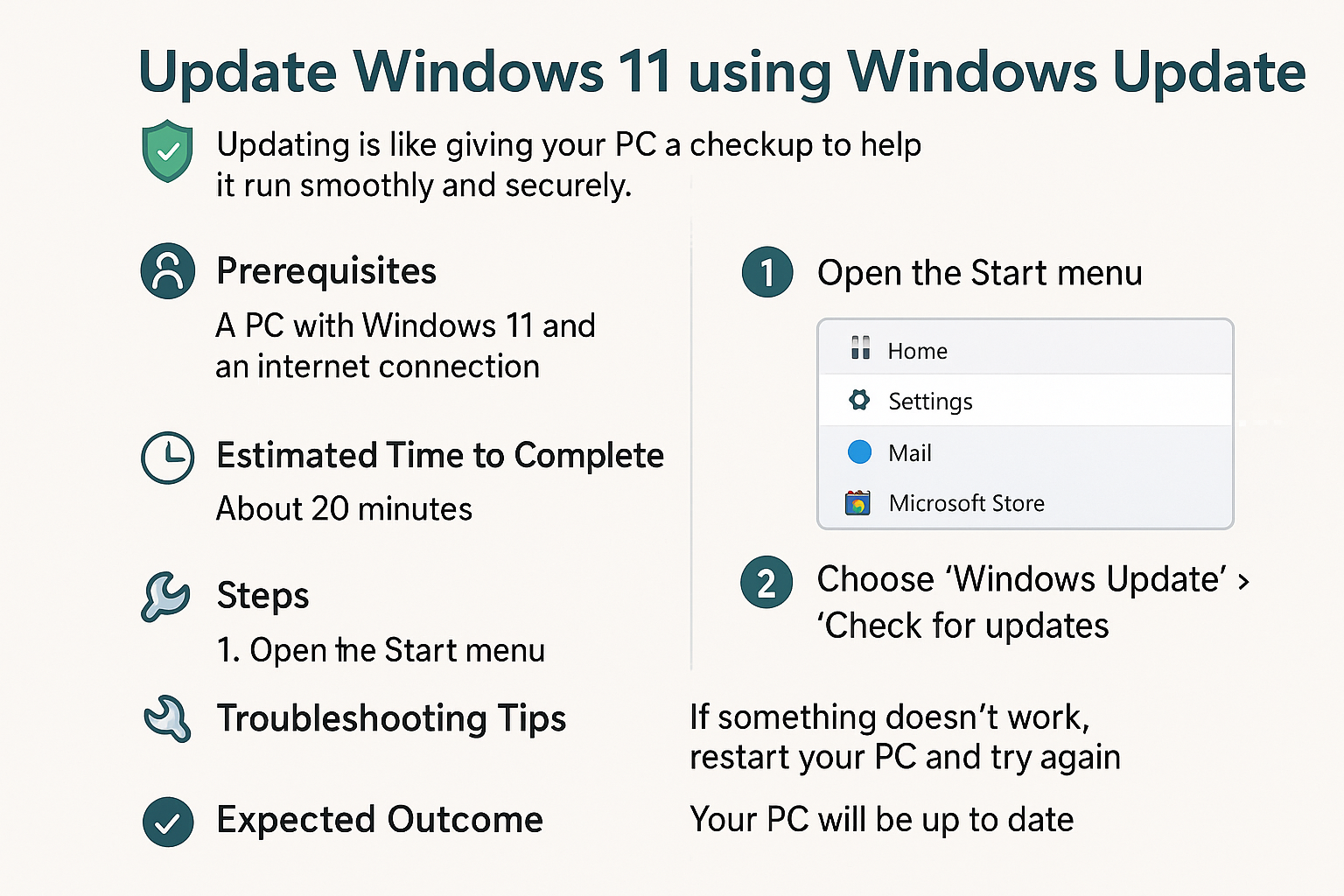
Update Your System: Make sure your operating system is up-to-date. Check for updates by navigating to the Settings > Update & Security > Windows Update on your device. Install any available updates as they often include security patches.
-
Monitor for Unusual Activity: Keep an eye on your computer for any unusual behaviors, such as unauthorized changes or strange programs appearing.
-
Use Security Software: Ensure you have reliable antivirus or security software installed. This can help detect and block potential threats before they cause harm.
By not keeping your system updated or neglecting to use security measures, you leave the door open for this vulnerability to be exploited.
📖 Learn more: For further information on this security issue, you can visit Microsoft's guidance on CVE-2025-55230.